
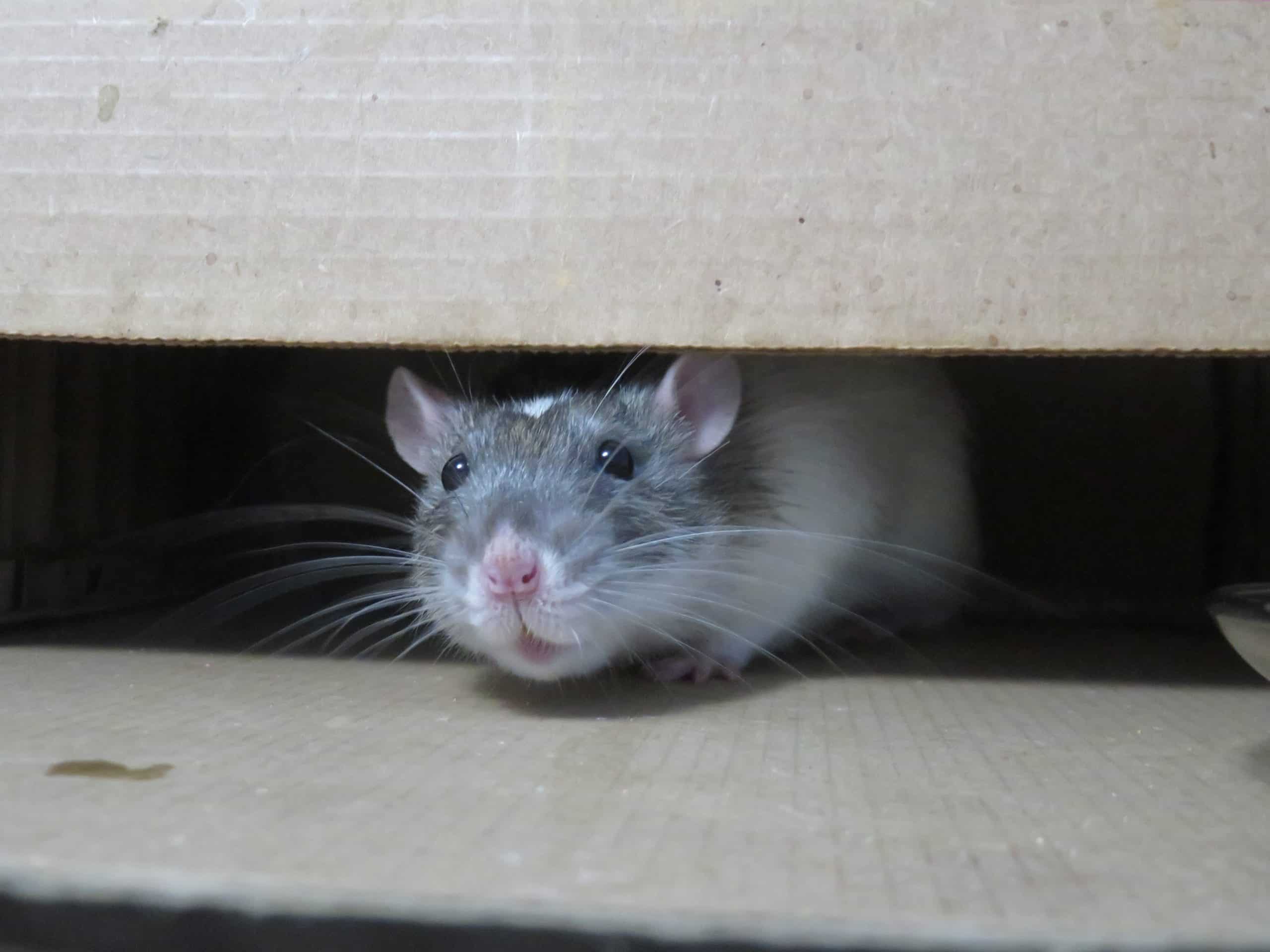
Rodents can feel like they disappear overnight after a treatment, but the work is not truly finished when the last bait station is packed away. What happens next determines whether the problem stays solved or quietly returns. This guide explains what typically follows rodent pest control in Australian homes and businesses, and how to lock in long-term results.
What should they expect immediately after rodent pest control is done?
They should expect a short “settling” period where rodent activity drops sharply, but signs can still appear for several days. In many Australian properties, that includes less scratching in roof voids, fewer droppings in cupboards, and reduced sightings at dusk.
They may also notice rodents moving differently as they search for food and water. This is normal and does not always mean the treatment failed.
Why might they still hear or see rodents after the treatment?
They might still hear movement because not every rodent is removed at the same moment. Some individuals can remain in wall cavities or subfloors, especially in older Australian homes with lots of voids and access points.
They should also remember that activity can be seasonal. During colder months in places like Melbourne, Canberra, and the Adelaide Hills, rodents push indoors and can be noticed more even as numbers fall.
What happens if a rodent dies inside the property?
They may occasionally deal with an odour if a rodent dies in a hidden area like a ceiling space. Most odours fade within a week or two, depending on ventilation, temperature, and humidity, which can vary across Australia.
If the smell is strong or persistent, they can ask a technician to help locate the source or arrange targeted access for removal if practical.
How do they confirm the infestation is actually gone?
They confirm success by checking trends, not just one quiet night. After rodent pest control, they should see a consistent reduction in fresh droppings, gnaw marks, grease rub marks along skirting boards, and food packet damage.
Many pest managers in Australia also use monitoring tools like non-toxic indicator blocks, tracking dust, or motion-sensing cameras in commercial sites. These help confirm whether any rodents remain active.
What clean-up should they do once rodent activity stops?
They should clean carefully because rodent waste can carry pathogens. After rodent pest control, they should wear disposable gloves and a mask, ventilate the area, and avoid sweeping or vacuuming dry droppings because that can aerosolise particles.
They can dampen droppings with disinfectant, wipe up with paper towel, and seal waste in a plastic bag. For heavy contamination in roof voids or under houses, many Australians choose a professional clean-up.
Which repairs and proofing steps matter most after rodent pest control?
They should prioritise exclusion because sealing entry points is what stops the next wave. After rodent pest control, the most important proofing steps usually include sealing gaps around pipes, repairing broken air vents, fitting door sweeps, and closing roof tile gaps.
In Australia, common entry points include weep holes, gaps under garage doors, and openings near hot water systems or split system air con lines. Even a small gap can be enough.
How can they reduce food and water sources that attract rodents?
They reduce attraction by making food access difficult and water scarce. After rodent pest control, they should store pantry goods in sealed containers, keep pet food in lidded tubs, clean under fridges and ovens, and empty indoor bins regularly.
Outside, they should secure compost lids, avoid leaving bird seed out overnight, and pick up fallen fruit from citrus trees. In many suburban Australian gardens, these habits make the difference between “gone” and “back again”.
What follow-up visits or monitoring should they expect?
They should expect at least one follow-up in many cases, particularly if the original activity was heavy. After rodent pest control, a technician may return to inspect bait uptake, reset traps, move stations, and check new hot spots.
For businesses such as cafés, warehouses, and strata buildings in Sydney, Brisbane, and Perth, ongoing monitoring may be scheduled monthly or quarterly. That helps with both prevention and compliance.
How do they handle rodents returning weeks or months later?
They treat a return as a new investigation, not just a repeat of the same solution. If rodents return after rodent pest control, it often points to either new access points, a change in food availability, or nearby construction pushing pests into the building.
They should document where signs reappear, then ask for a fresh inspection. A good plan usually combines exclusion repairs, targeted trapping, and a review of storage, waste, and landscaping.
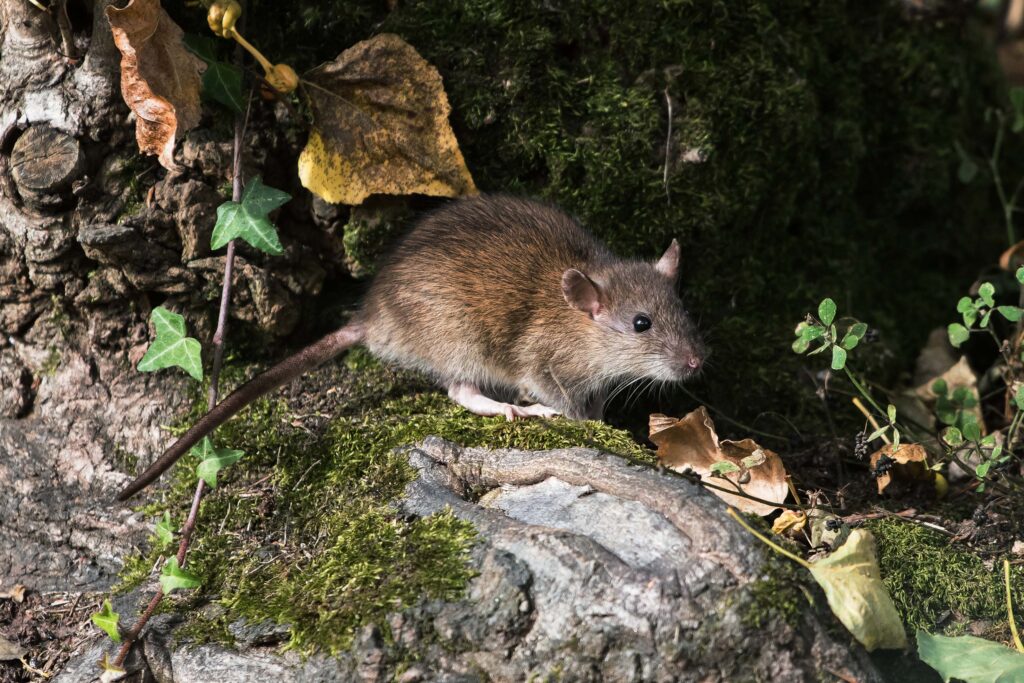
What should they watch for around children, pets, and wildlife?
They should keep safety front of mind, especially in Australian households with dogs that explore gardens or kids who play in garages. After rodent pest control, they should follow all label directions and keep pets away from stations or treated areas.
They should also consider wildlife risks. In some regions, secondary poisoning can be a concern, so many professionals use tamper-resistant stations and choose methods that reduce non-target exposure.
How do they prevent roof rats and mice from using the ceiling again?
They prevent ceiling re-entry by combining proofing with habitat reduction. After rodent pest control, they should trim tree branches away from roofs, secure roof access points, and repair damaged eaves, fascia, and sarking.
They should also avoid storing soft goods in roof voids because nesting material attracts rodents. In many Australian homes, a clean, sealed roof space stays quieter long term.
What role does hygiene play in long term results?
Hygiene is one of the strongest predictors of whether rodents return. After rodent pest control, they should focus on regular deep cleaning in overlooked zones like behind appliances, under shelving, and around external bins.
They should also keep outdoor areas tidy. Piles of timber, dense ground cover, and cluttered sheds provide harbourage that supports reinfestation, particularly in warmer Australian climates.
When should they call a professional again?
They should call again as soon as they see fresh droppings, new gnaw marks, or hear repeated night noises over several days. After rodent pest control, early action is cheaper and simpler than waiting for an established colony.
They should also get help if they cannot locate entry points, if odours suggest a carcass in an inaccessible void, or if the site is high risk such as a food business or childcare centre.
What does a good “post treatment” plan look like in Australia?
A good plan is simple: confirm, clean, exclude, and monitor. After rodent pest control, they should confirm activity has stopped, clean contamination safely, complete proofing repairs, and use light monitoring for a few months.
In Australian conditions, that monitoring might be seasonal, with extra checks before winter or after heavy rain when rodents seek shelter. Done properly, it turns a one-off treatment into a lasting result.
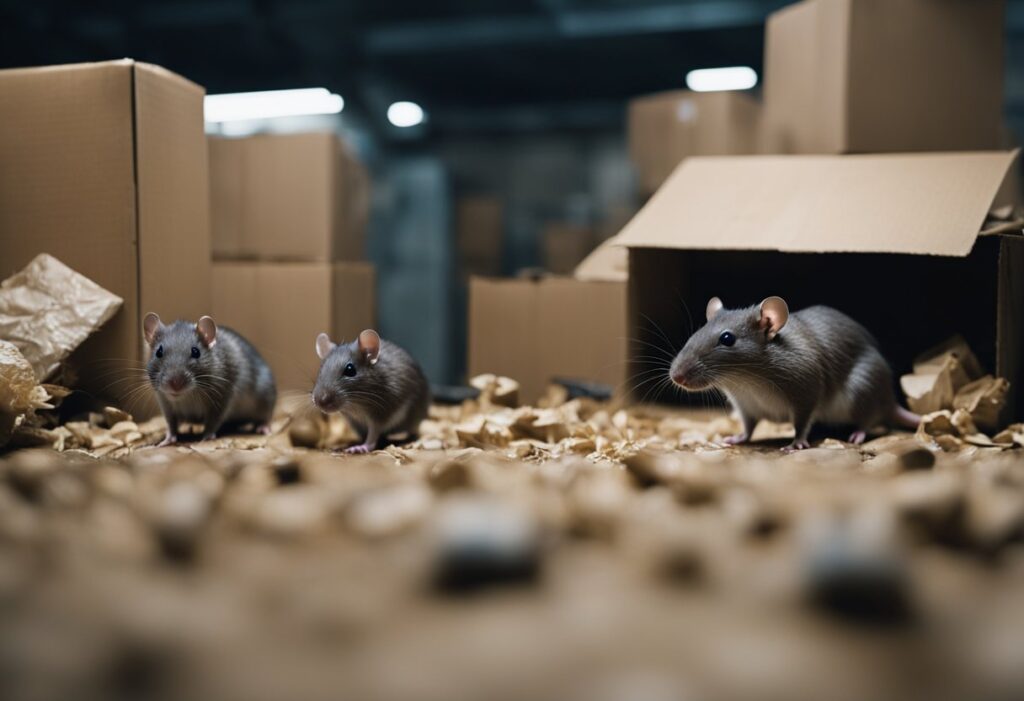
What should they do next if they want the best chance of no repeat problem?
They should book a proofing focused inspection and act on the repair list quickly. Rodent pest control works best when treatment and exclusion happen together, not weeks apart.
They should also set a routine: fortnightly checks of pantry and bin areas, quarterly checks of roof access points, and immediate clean-up of spills and pet food. That is how rodent pest control stays effective long after the initial visit.
More to Read : Who Needs a Termite Inspection, and Who Does Not
FAQs (Frequently Asked Questions)
What should I expect immediately after rodent pest control in my Australian home or business?
Immediately following rodent pest control, you can expect a short ‘settling’ period where rodent activity drops sharply but signs like scratching, droppings, and sightings may still appear for several days. This is normal as rodents adjust their behaviour while searching for food and water, and does not necessarily indicate treatment failure.
Why might I still hear or see rodents after treatment has been completed?
Some rodents may remain hidden in wall cavities or subfloors, especially in older Australian properties with many voids and access points. Additionally, seasonal factors such as colder months in Melbourne or Canberra can cause rodents to push indoors, increasing sightings even as overall numbers decline.
How can I confirm that the rodent infestation is fully eradicated?
Success is confirmed by observing consistent reductions over time in fresh droppings, gnaw marks, grease rub marks on skirting boards, and damaged food packaging. Professional pest managers often use monitoring tools like non-toxic indicator blocks, tracking dust, or motion-sensing cameras to verify if any rodents remain active.
What clean-up procedures should I follow once rodent activity stops?
After rodent pest control, it’s important to clean carefully to avoid exposure to pathogens carried by rodent waste. Wear disposable gloves and a mask, ventilate the area well, avoid sweeping or vacuuming dry droppings to prevent aerosolising particles. Instead, dampen droppings with disinfectant before wiping them up with paper towels and sealing waste in plastic bags. For heavy contamination areas like roof voids or under houses, consider hiring professional cleaning services.
Which repairs and proofing measures are essential after rodent pest control?
Prioritise exclusion by sealing all entry points to prevent re-infestation. Key proofing steps include sealing gaps around pipes, repairing broken air vents, fitting door sweeps, and closing roof tile gaps. In Australia, common entry points also include weep holes, gaps under garage doors, and openings near hot water systems or split system air conditioning lines—remember even small gaps can allow rodents entry.
How can I reduce food and water sources that attract rodents post-treatment?
Make food access difficult and water scarce by storing pantry goods in sealed containers, keeping pet food in lidded tubs, cleaning beneath fridges and ovens regularly, and emptying indoor bins frequently. Outdoors, secure compost lids tightly, avoid leaving bird seed out overnight, and promptly pick up fallen fruit from citrus trees. These habits are crucial in Australian suburban gardens to keep rodents away long term.