What Is Comprehensive Rodent Control in Sydney and Why Is It Important?
Comprehensive rodent control Sydney involves a systematic approach that combines thorough inspection, species identification, targeted treatment, and long-term prevention strategies. This article will guide you through each critical stage of effective rodent infestation management, from initial assessment to ongoing monitoring protocols.
Why Is Comprehensive Rodent Control Important?
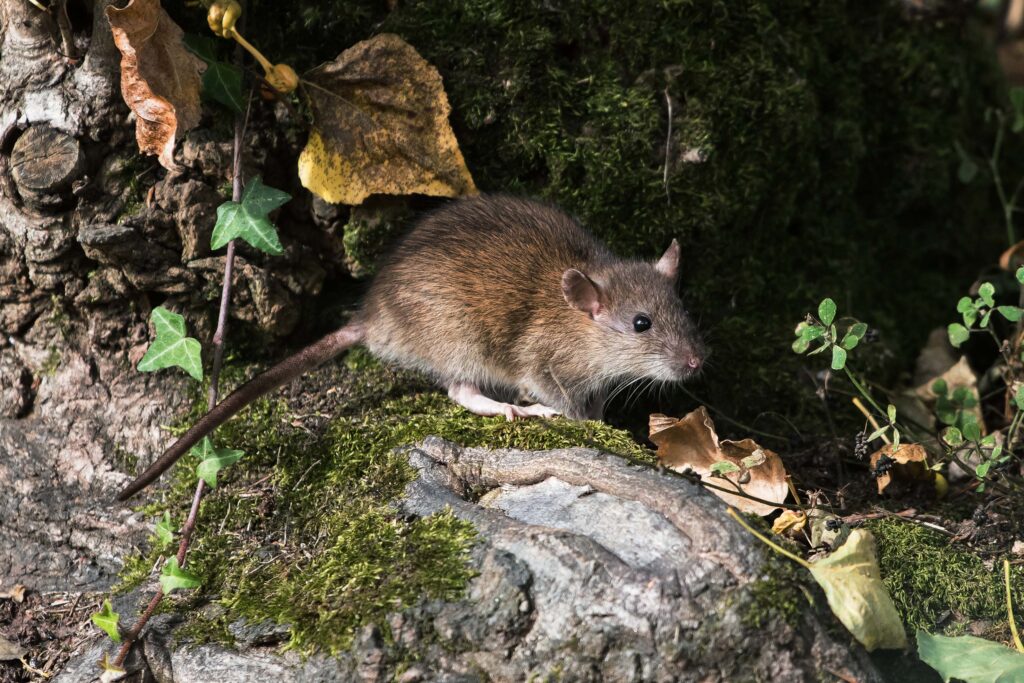
Sydney’s dense urban environment creates ideal conditions for rodent populations to thrive. The city’s interconnected buildings, abundant food sources, and moderate climate provide perfect breeding grounds for house mice, Norway rats, and roof rats. Without proper rodent exterminator sydney, these populations can multiply rapidly, creating significant challenges for property owners.
The Threats Posed by Rodents
Rodents pose serious threats to both health and property:
- Health risks: They can transmit diseases such as salmonella, leptospirosis, and hantavirus through contaminated surfaces and airborne particles.
- Property damage: Rodents gnaw on electrical wiring, insulation, and structural materials, potentially causing fires and expensive repairs.
- Food contamination: This leads to substantial economic losses for businesses and households.
How Can Professional Pest Control Help?
Professional pest control services Sydney use integrated pest management techniques that tackle immediate infestations while implementing strong prevention measures. This comprehensive approach ensures long-term protection and peace of mind for property owners across Sydney’s diverse residential and commercial areas.
How Do Pest Control Professionals Conduct a Thorough Rodent Inspection?
Professional rodent inspection Sydney services begin with a systematic examination of your property to identify the specific species present. Trained technicians distinguish between house mice, Norway rats, and roof rats by examining droppings size and shape, with mouse droppings measuring 3-6mm compared to rat droppings at 12-18mm. Each species exhibits distinct behavioural patterns that influence where they nest and travel.
Rodent species identification involves analysing multiple indicators beyond droppings. Professionals examine:
- Gnaw marks – Fresh marks appear light-coloured, whilst older damage shows darker edges
- Grease marks along walls where rodents repeatedly travel
- Urine odours particularly strong in enclosed spaces
- Scratching noises in walls, ceilings, or under floors
- Nesting materials such as shredded paper, fabric, or insulation
The inspection process maps signs of rodent infestation throughout your property, identifying entry points larger than 6mm, food sources, and water access. Technicians document structural vulnerabilities, noting gaps around pipes, damaged weatherstripping, and cracks in foundations. This comprehensive assessment creates the foundation for targeted treatment strategies tailored to the specific rodent species and infestation severity present in your Sydney property.
Why Is Identifying Rodent Species Crucial for Effective Control?
Each rodent species in Sydney exhibits distinct behavioural patterns and habitat preferences that directly impact control strategies. Understanding these differences enables pest control professionals to implement targeted approaches rather than generic solutions.
House Mouse Habits
House mouse habits centre around close proximity to food sources, with these agile climbers preferring to nest within 3-10 feet of their feeding areas. They favour warm, secluded spaces like wall cavities and cupboards, requiring smaller entry points than their larger counterparts.
Norway Rat Characteristics
Norway rat characteristics include their preference for ground-level environments and burrowing behaviour. These robust rodents typically nest in basements, sewers, and garden areas, demanding different exclusion materials and placement strategies.
Roof Rat Nesting
Roof rat nesting occurs predominantly in elevated locations such as roof spaces, trees, and upper building levels. Their excellent climbing abilities and preference for heights necessitate inspection focus on overhead entry points and aerial pathways.
Species identification determines bait placement locations, trap types, and exclusion methods. You cannot effectively seal a property without knowing whether you’re dealing with ground-dwelling Norway rats requiring foundation-level barriers or roof rats needing overhead access prevention. This targeted approach maximises treatment efficiency whilst minimising unnecessary interventions.
How Can Sanitation and Habitat Modification Help Prevent Rodent Infestations?
Sanitation for rodent control forms the foundation of any successful pest management strategy. Rodents require three basic elements to thrive: food, water, and shelter. By systematically eliminating these resources, you create an environment that’s inherently hostile to rodent populations.
Removing Food and Water Sources
Removing food and water sources requires meticulous attention to detail. Store all food items in sealed containers made of glass, metal, or thick plastic that rodents cannot gnaw through. Clean up crumbs immediately after meals, wipe down surfaces regularly, and ensure pet food bowls are emptied overnight. Fix leaking taps, eliminate standing water in plant saucers, and maintain dry conditions in basements and storage areas.
Decluttering and Eliminating Nesting Materials
Decluttering and eliminating nesting materials significantly reduces habitat suitability. Remove cardboard boxes, old newspapers, fabric scraps, and unused items from storage areas. Keep firewood elevated and away from building foundations. Trim vegetation that provides cover near entry points.
Reducing Rodent Attractants
Rodent control professionals emphasise maintaining pristine cleanliness standards. Regular vacuuming removes food particles, whilst proper waste management in sealed bins prevents attracting rodents. This systematic approach to reducing rodent attractants creates an environment where rodent populations cannot establish themselves successfully.
What Exclusion Techniques Are Used to Prevent Rodents From Entering Properties?
Rodent exclusion methods used by professionals in Sydney focus on creating physical barriers that prevent rodents from accessing your property. The most effective approach targets any opening larger than 6mm, as mice can squeeze through surprisingly small spaces while rats require slightly larger gaps.
Materials Used for Exclusion
Steel wool serves as the primary material for blocking entry points because rodents cannot chew through it effectively. You’ll find pest control experts combining steel wool with caulk to create permanent seals around pipes, cables, and utility penetrations. Metal mesh provides excellent coverage for larger openings such as vents, chimneys, and roof eaves.
Areas to Inspect for Entry Points
Sealing entry points commonly used by rodents requires systematic inspection of:
- Foundation cracks and gaps around basement windows
- Spaces beneath doors and around door frames
- Openings where utilities enter the building
- Damaged weatherstripping and worn door sweeps
- Gaps in roof tiles and fascia boards
Pest-Proofing During Renovations
Pest-proofing homes during renovations presents the ideal opportunity for comprehensive exclusion. Professional services incorporate rodent-resistant materials into construction plans, ensuring long-term protection. This proactive approach costs significantly less than addressing infestations after they occur, making structural repairs an investment in your property’s future pest management success.
When Are Trapping Methods Appropriate in Rodent Control?
Rodent trapping Sydney professionals use trapping methods when they need to quickly reduce the rodent population or when using rodenticides may be unsafe. The choice between snap traps vs live traps depends on your specific situation and ethical beliefs.
When to Use Snap Traps
Snap traps are effective as standalone solutions for small infestations and deliver immediate results. They are particularly useful in food preparation areas where chemical baits are not suitable.
When to Use Live Traps
Live traps provide a humane alternative, but they require immediate relocation of captured rodents to prevent them from returning.
When to Use Bait Stations
Bait stations are ideal for situations where multiple rodent catches are needed over a long period. These tamper-resistant devices keep bait safe from children and pets while still allowing rodents to access it continuously. Professional pest controllers strategically place bait stations along known rodent pathways to maximise their effectiveness.
The Importance of Monitoring Bait Stations
Monitoring bait stations is crucial for successful trapping programmes. It involves conducting weekly inspections to:
- Replace any bait that has been eaten
- Remove any rodents that have been caught
- Evaluate how effective the traps are
- Identify any new patterns of rodent activity
Regular maintenance ensures that the traps remain functional and hygienic. If dead rodents are left in the traps, they can scare away other rodents and create unpleasant smells, which will decrease the overall success of your control strategy.
How Are Rodenticides Safely Integrated Into Pest Management Plans?
Safe use of rodenticides Sydney requires strict adherence to professional protocols and regulatory guidelines. Licensed pest control operators employ anticoagulant baits rodents respond to most effectively, selecting between first and second-generation formulations based on infestation severity.
Acute rodenticides work rapidly but carry higher risks, making them suitable only for specific situations where immediate results are essential. Second-generation anticoagulants like brodifacoum and difenacoum prove more effective for major infestations, requiring smaller quantities while maintaining longer-lasting effects.
Professional application ensures:
- Tamper-resistant bait stations protect children and non-target animals
- Strategic placement away from food preparation areas
- Proper documentation of bait locations and consumption rates
- Regular monitoring to prevent over-baiting
Integrated pest management rodents benefit from combines rodenticides with exclusion and sanitation measures rather than relying solely on chemical control. This approach reduces environmental impact while maximising effectiveness.
Regulatory compliance mandates that only certified professionals handle commercial-grade rodenticides. You can trust that licensed operators understand proper dosing, placement protocols, and disposal requirements that protect your family and pets while delivering reliable results.
Why Is Ongoing Monitoring and Follow-Up Essential After Treatment?
Rodent monitoring Sydney services understand that the success of treatment heavily relies on systematic post-treatment surveillance. Professional pest controllers establish regular inspection schedules to assess the effectiveness of implemented control measures and detect any resurgence of rodent activity.
Regular monitoring activities include:
- Bait station inspections – Checking consumption rates and replenishing baits as needed. For instance, some unconventional methods like using baking soda have been explored in pest control.
- Trap assessments – Evaluating catch rates and repositioning devices based on activity patterns
- Fresh sign detection – Identifying new droppings, gnaw marks, or grease trails that indicate ongoing presence
- Entry point verification – Ensuring exclusion materials remain intact and effective
Implementing a comprehensive follow-up inspections pest control protocol enables rapid response to changing conditions. You benefit from early intervention when monitoring reveals new rodent activity, preventing small problems from escalating into major infestations.
Evaluating treatment effectiveness requires data-driven analysis of monitoring results. Professional services adjust baiting strategies, modify trap placements, or implement additional exclusion measures based on surveillance findings. This adaptive approach ensures your property maintains long-term protection against rodent intrusion whilst optimising resource allocation for maximum control efficiency.
For more detailed information on rodent control measures, you can refer to this comprehensive rodent manual.
What Role Do Pest Control Professionals Play in Comprehensive Rodent Management?
Professional pest control Sydney services bring specialised expertise that transforms rodent management from reactive measures to proactive solutions. Licensed technicians possess advanced training in species identification, enabling them to distinguish between house mice, Norway rats, and roof rats through subtle behavioural cues and physical evidence that untrained eyes often miss.
Expert rodent control services excel in the safe handling and application of chemical treatments. Professionals understand the precise dosages, placement strategies, and timing required for different rodenticide formulations, ensuring maximum effectiveness while minimising risks to non-target species. Their knowledge extends to:
- Proper bait station positioning for optimal rodent access
- Selection of appropriate active ingredients based on infestation severity
- Understanding resistance patterns in local rodent populations
The use of rodenticides is a common practice in professional pest control. These chemicals are applied with precision, following strict guidelines to ensure safety and effectiveness. For instance, professionals may utilise anti-coagulant rodenticides, which require a specific understanding of their application to avoid potential hazards.
Regulatory compliance pest management forms the backbone of professional services. Licensed operators stay current with Australian Pesticides and Veterinary Medicines Authority (APVMA) regulations, ensuring all treatments meet legal requirements. They maintain detailed records, use only approved products, and follow strict application protocols.
Each client receives tailored solutions based on property-specific assessments. Professionals evaluate unique environmental factors, structural vulnerabilities, and occupant safety requirements to develop customised management plans that deliver consistent, measurable results through proven methodologies.
How Are Environmental Considerations Incorporated Into Rodent Control Strategies?
Eco-friendly rodent control Sydney services prioritise environmental responsibility whilst maintaining effective pest management. Professional pest control companies implement strategies that reduce chemical dependency through integrated pest management approaches.
Non-chemical methods form the foundation of environmentally conscious rodent control:
- Physical exclusion using steel wool and metal mesh
- Habitat modification through sanitation improvements
- Mechanical trapping systems that eliminate chemical exposure
- Structural repairs that prevent future infestations
Child and pet safety remains paramount in treatment selection. Licensed professionals utilise tamper-resistant bait stations and select rodenticides with reduced toxicity profiles when chemicals become necessary. These non-target species protection pests measures ensure household members remain safe during treatment periods.
Proper disposal protocols prevent secondary contamination risks. Dead rodents require careful handling using protective equipment, followed by disinfection of affected areas. Professional services follow strict safe disposal dead rodents procedures that comply with local environmental regulations.
Chemical applications target specific areas whilst minimising environmental impact. Second-generation anticoagulants, when required, are applied in controlled quantities within secure stations that prevent accidental exposure to wildlife, pets, and children.
What Prevention Measures Help Maintain a Rodent-Free Property Long-Term?
Successful rodent prevention Sydney strategies require consistent maintenance and proactive measures that address potential vulnerabilities before they become entry points. Property owners who implement systematic prevention protocols significantly reduce the likelihood of future infestations.
1. Regular Inspections
Regular inspection schedules form the foundation of effective prevention. Monthly property assessments allow you to identify new gaps, damaged seals, or emerging rodent activity before populations establish themselves. These inspections should focus on basements, attics, utility areas, and exterior perimeters where rodents commonly attempt entry.
2. Landscape Management
Landscape management plays a crucial role in ongoing maintenance pest control. You should:
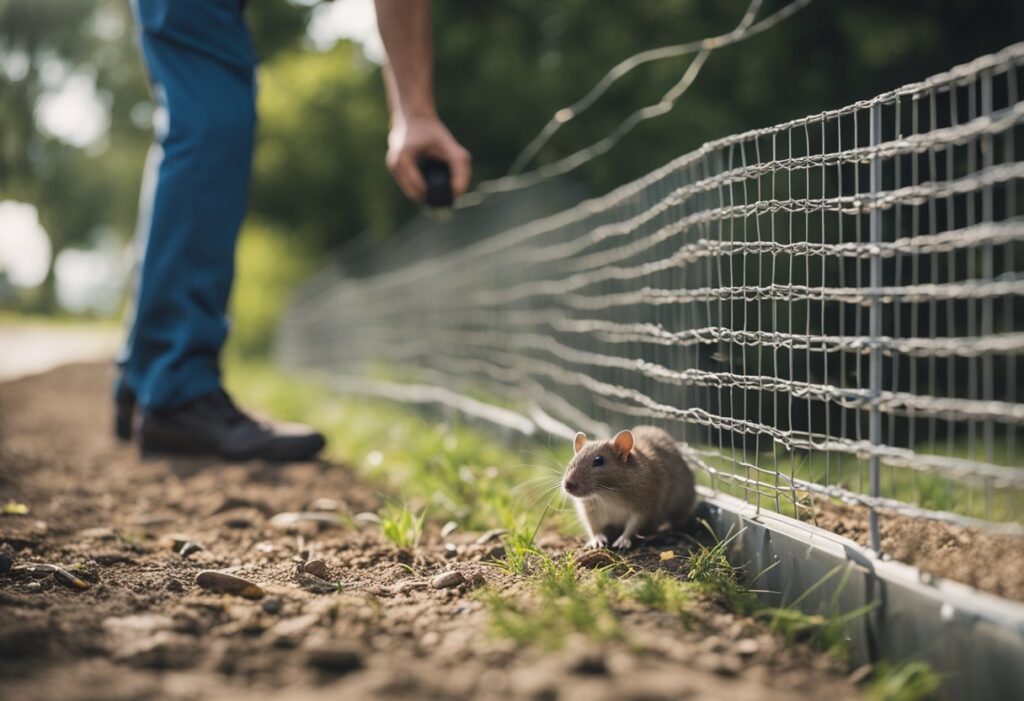
- Trim vegetation at least 30cm away from building exteriors
- Remove fallen fruit, nuts, and organic debris regularly
- Clear dense shrubs that provide rodent shelter
- Maintain proper drainage to eliminate water sources
3. Food Storage Protocols
Food storage protocols require sealed containers made from glass, metal, or heavy-duty plastic. Pet food, birdseed, and pantry items stored in original packaging invite rodent activity.
4. Structural Repairs During Renovations
Structural repairs rodents prevention becomes essential during renovations. Installing rodent-proof materials such as steel mesh in wall cavities, sealing utility penetrations with expanding foam, and using concrete or metal barriers in foundations creates long-term protection that standard construction materials cannot provide.
Why Engaging Professional Services Is Key to Reliable Results in Comprehensive Rodent Control?
Comprehensive rodent control benefits Sydney residents experience through professional services extend far beyond what DIY methods can achieve. Licensed pest control specialists bring expertise in species identification, safe chemical handling, and integrated pest management results that address root causes rather than symptoms.
Professional technicians understand Sydney’s unique urban environment and rodent behaviour patterns. They implement tailored solutions using proven methods whilst maintaining high safety standards for your family and pets. Their systematic approach ensures proper inspection protocols, targeted treatments, and effective exclusion techniques.
Comprehensive Rodent Control Sydney: From Inspection to Prevention requires specialised knowledge and equipment that professionals possess. You receive detailed inspections, customised treatment plans, and ongoing monitoring that guarantees long-term success. Professional services offer accountability, regulatory compliance, and peace of mind that your rodent problem receives thorough, reliable resolution.
Related : Mouse Removal Sydney: Professional Services You Can Trust
FAQ’s on Rodent Control :
Comprehensive rodent control in Sydney is a systematic approach that combines inspection, species identification, targeted treatment, and long-term prevention strategies. Sydney’s urban environment, with abundant food, water, and shelter, creates ideal conditions for rodents. Without proper management, these pests can cause health risks, property damage, and food contamination.
Sydney’s dense urban environment provides ideal conditions for rodents. Without proper control, they can cause health risks (disease transmission), property damage (gnawing on structures), and contamination of food, leading to significant economic losses.
Technicians identify rodent species by analyzing physical evidence like droppings, gnaw marks, and nesting materials. They also consider behavioral patterns (e.g., house mice prefer nesting close to food, while roof rats like elevated areas).
Signs include droppings, gnaw marks on furniture or walls, grease trails, urine odors, and nesting materials (shredded paper, fabric). Hearing scratching noises from walls or ceilings is also a key indicator.
Eliminating food, water, and shelter reduces the conditions that attract rodents. Keep food in sealed containers, clean up crumbs, fix leaks, and reduce clutter to remove potential nesting sites.
Exclusion involves sealing all entry points larger than 6mm to block rodents from entering your property. Professionals use materials like steel wool, caulk, and metal mesh to seal gaps around doors, windows, pipes, and vents.
Yes. Snap traps are effective for small infestations, while live traps offer a humane alternative. Bait stations are used for larger infestations and provide long-term control by continuously releasing bait in a secure manner.
Rodenticides are used carefully by licensed professionals, who follow strict guidelines to ensure safety. Tamper-resistant bait stations protect children and pets, and rodenticides are applied in secure, monitored locations to reduce environmental risks.
It’s recommended to have regular inspections every 3-6 months, especially in high-risk areas like basements, attics, and exterior perimeters. More frequent inspections may be necessary if there’s an active infestation.